


How Footscan Data-driven Gait Analysis Treats Running Injuries and Improves Performance
Gait analysis is a detailed assessment of how you walk and run. By identifying imbalances, misalignments, or inefficiencies in your movement pattern, podiatrists can pinpoint the root causes of running injuries before they happen - or stop them from getting worse. With gait analysis, you can run pain-free, improve your performance, and prevent costly injuries that stop you from joining in the activities you love.
Who is this for?
runners returning from injury,
marathon training,
beginners increasing mileage
What Is Gait Analysis and How Does It Work?
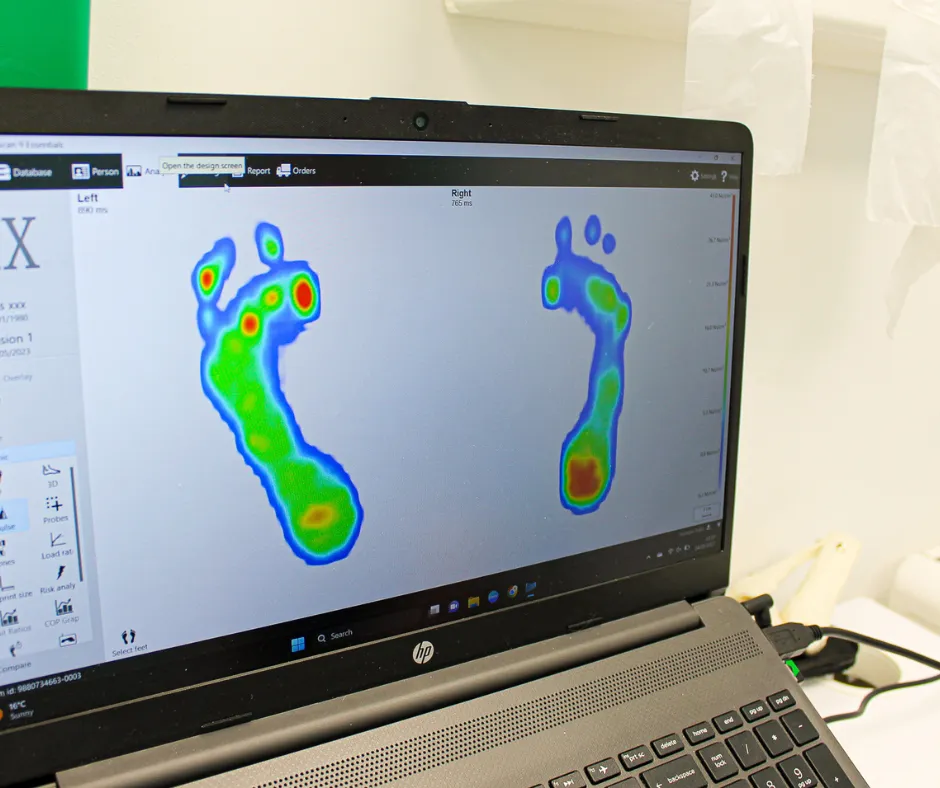
At Kenilworth Footcare, we use sophisticated 3D Footscan technology to capture exactly how your feet, ankles, and legs move during walking and running. We analyse pressure distribution, foot strike patterns, alignment, and biomechanical efficiency. This data reveals whether your feet are overpronating (rolling inward), supinating (rolling outward), or striking the ground inefficiently—all common culprits behind running injuries.
We use this data alongside an assessment of your joint range of movement, muscle strength/weakness/imbalance and stability.
The assessment is painless, non-invasive, and gives us a complete picture of your running mechanics. Armed with this information, we can recommend targeted interventions - from custom orthotics to specific exercises - that address the root cause rather than just treating the symptoms.
Read more and book your Gait Analysis HERE
Common Running Injuries Caused by Poor Gait
Many runners assume pain is just “part of the game,” but most running injuries stem from biomechanical issues that gait analysis can identify:
Plantar fasciitis:
Excessive pronation or tight calf muscles create tension in the plantar fascia
Runner’s knee:
Misalignment of the foot and ankle forces the knee to work inefficiently
Shin splints:
Overpronation or sudden increases in training load stress the shinbone
Achilles tendinopathy:
Tight calves combined with poor foot mechanics overload the tendon
Stress fractures:
Repetitive impact on misaligned feet creates stress on bones
IT band syndrome:
Hip and foot misalignment pulls on the iliotibial band
If you’re experiencing any of these, gait analysis can reveal why—and how to fix it.
How Gait Analysis Identifies Your Injury Risk
During your gait analysis appointment, we’ll assess:
Foot strike pattern: Where your foot lands when you run (heel, midfoot, or forefoot)
Pronation type: How much your foot rolls inward or outward
Arch support: Whether your arches are collapsing, rigid, or neutral
Alignment: How your ankles, knees, and hips track during movement
Pressure distribution: Which areas of your feet bear the most load
Muscle strength and flexibility: Imbalances that contribute to injury risk
This comprehensive picture allows us to create a personalised injury prevention and performance plan tailored to your unique biomechanics.
Treatment and Prevention Options After Gait Analysis
Once we’ve identified your gait issues, we can recommend:
Custom orthotics:
Specially designed insoles that correct pronation and support your arches
Footwear recommendations:
Guidance on shoes that suit your gait pattern
Strengthening exercises:
Targeted routines to address muscle imbalances. We have an in-house physiotherapist to help with this.
Stretching and flexibility work:
Relief for tight muscles contributing to poor mechanics. We have an in-house physiotherapist to help with this.
Training load management:
Advice on building mileage safely without overloading your feet
Many runners see dramatic improvements in pain and performance within weeks of starting a gait-analysis-based treatment plan.
Prevention Tips for Injury-Free Running
Beyond gait analysis, here are key strategies to keep your running injury-free:
Invest in proper footwear: Choose shoes suited to your gait pattern
Build mileage gradually: Increase weekly distance by no more than 10%
Strengthen your feet and ankles: Regular exercise improves stability and resilience
Stretch and foam roll: Maintain flexibility in your calves, hamstrings, and hip flexors
Cross-train: Mix running with low-impact activities like swimming or cycling
Listen to your body: Address minor aches before they become major injuries
Get regular foot health checks: Catch emerging issues early
Frequently Asked Questions
Q: How long does a gait analysis appointment take?
A: A comprehensive gait analysis typically takes 30–45 minutes, including assessment, discussion of findings, and initial recommendations.
Q: Will gait analysis help if I’m already injured?
A: Absolutely. Gait analysis identifies what caused your injury, so we can treat it effectively and prevent it from happening again.
Q: Do I need custom orthotics after gait analysis?
A: Not necessarily. Some runners benefit from orthotics, while others improve with exercises, footwear changes, or technique adjustments. We’ll recommend what’s right for you.
Q: Can gait analysis improve my running performance?
A: Yes. By optimising your biomechanics, you’ll run more efficiently, reduce energy waste, and potentially improve your speed and endurance.
Q: How often should I get a gait analysis?
A: An initial assessment is essential. If you change your running routine significantly or develop new pain, a follow-up analysis can help adjust your plan.
Ready to Run Pain-Free This Summer?
Don’t let biomechanical issues keep you away from the activities you love. Whether you’re training for a race, returning to running after injury, or simply want to stay active and mobile, gait analysis is your first step towards pain-free performance.
Book your 3D footscan and gait analysis consultation today. Our team will assess your unique running mechanics and create a personalised plan to keep you running strong all summer long.
Futher Reading:
Runner's World: Shin splints and 5 other common causes of lower-leg pain in runners – how to spot and treat a running injury
NHS UK: Sprains and Strains
Contact Kenilworth Footcare:
📞 01926 563555
📍 2 Oaks Precinct, Kenilworth CV8 1DP
With free parking and ground-floor access. We're here to help you get back to the activities you love, comfortably and confidently.