

When Should You Consider Verruca Needling?
When Should You Consider Verruca Needling?
Verruca needling can be a great option when a verruca is painful, stubborn, or simply not shifting with standard treatments. It works by stimulating your immune system to recognise and clear the virus, and it’s often chosen by people who feel they’ve “tried everything” and want a more decisive plan.
What causes verrucas?
Short answer: Verrucas are caused by a virus (HPV) that gets into the skin, usually through tiny breaks.
Verrucas are more common when the skin is under pressure (like the ball of the foot) and in places where the virus can spread easily.
Common risk factors include:
Walking barefoot in communal areas (pools, gyms, changing rooms)
Small cuts or cracks in the skin
Sweaty feet or skin that stays damp
Repeated pressure and friction (sport, running, standing jobs)
A lowered immune response (stress, illness, some medications)
It’s also worth knowing: verrucas can be unpredictable. Some clear on their own, while others linger for months (or years) and become more painful over time.
(See NHS Guidance for verrucas and warts)
How does verruca needling help with verrucas?
Short answer: Needling triggers an immune response so your body can recognise and fight the verruca virus.
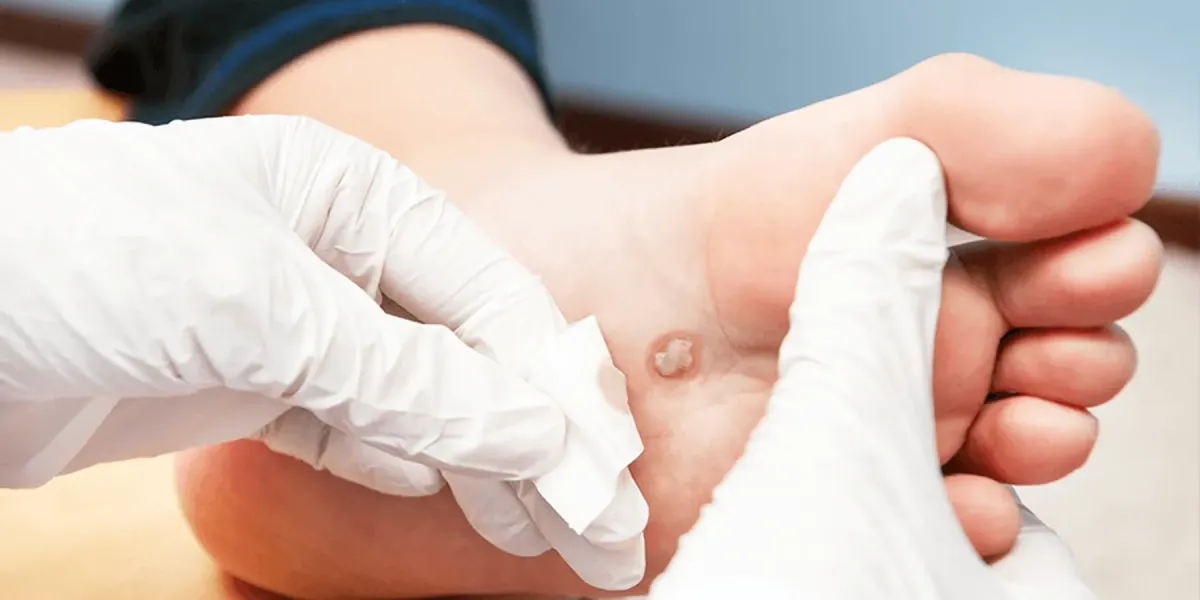
Verruca needling is a minor procedure carried out by a podiatrist. The aim is to create controlled “micro-injuries” through the verruca tissue, which helps expose the virus to your immune system.
What to expect at your appointment:
We will confirm you have a verruca and check you are suitable for the needling treatment during your Verruca Assessment appointment. If you have decided to go ahead:
The area is numbed with local anaesthetic
The verruca is needled in a controlled way
A dressing will be applied
You’ll be given aftercare advice and a clear plan for the following days, including your follow-up appointments
Most people are surprised by how straightforward the process feels once the anaesthetic has taken effect.
How long does treatment take?
Short answer: The procedure is done in one appointment, but clearance can take weeks to a few months.
Verruca needling is often chosen because it’s typically a single-procedure approach, rather than a long course of repeated treatments.
How quickly you improve depends on:
How long you’ve had the verruca
Size and depth (and whether it’s a mosaic cluster)
Your immune response
Pressure on the area (sport, standing, footwear)
How well the site is protected during healing
At our podiatry clinic, Kenilworth Footcare, all suspected verrucas are assessed so that:
1) We can be sure that it actually is a verruca
2) Find out how long you have had it and look at the location, depth and size
3) Assess your health and lifestyle
And then we can advise you on the best course of treatment, whether that be needling or another option. We set expectations clearly at your assessment and make sure that you are completely happy before any treatment is booked.
You can book a Verruca Assessment HERE
Other verruca treatment options (and how to choose)
Short answer: The “best” verruca treatment depends on pain, how long you’ve had it, and how your skin responds — we’ll help you choose the right path.
At Kenilworth Footcare, we commonly discuss four advanced options:
Swift microwave therapy: Often chosen when you want a clinic-based treatment plan without home acids. Many people need 4–5 sessions for resolution.
Verrutop: A topical treatment applied in clinic, typically requiring 6–8 treatments.
K-Laser: Can be used as part of a verruca treatment plan, especially when we’re aiming to support healing and reduce discomfort.
Verruca needling: A more “one-and-done” style option for suitable patients, designed to trigger an immune response.
As a simple guide:
If you want a gradual, appointment-based plan, Swift or Verrutop may suit.
If you want a single-procedure approach and your medical history allows, needling may be a good fit.
If pain is the main issue, we’ll also look at offloading pressure (padding, footwear advice) alongside whichever treatment you choose.
The key thing is getting the diagnosis right first — corns, callus, and verrucas can look similar, and the best treatment depends on what it truly is.
What can I do at home?
Short answer: You can try pharmacy-style verruca treatments at home, but it’s important to use them safely — and to get a podiatry assessment if it’s painful, persistent, or you’re not sure what it is.
Home treatment options that may help some people include:
Salicylic acid treatments (gels, paints, plasters): often need consistent use for several weeks
Regular gentle filing of hard skin around the verruca (only if safe for you) to help treatments penetrate
Keeping the area dry and changing socks daily if your feet sweat a lot
Reducing pressure with cushioning insoles or padding (this can make walking more comfortable)
Safety considerations:
Don’t use acids if you have diabetes, poor circulation, reduced sensation, or an immune condition unless a clinician has advised it
Stop if the skin becomes very sore, bleeds, or looks infected
Avoid “cutting out” verrucas at home — it can cause injury and increase spread
If you’re unsure whether it’s a verruca (vs corn/callus), get it checked before treating
If you’ve tried home treatments and it’s not improving, that’s often the point where an advanced option (like Swift, Verrutop, laser, or needling) becomes worth discussing.
FAQ
Do home verruca treatments work?
Home treatments can work for some people, especially when the verruca is small and not too painful. The key is using the right product consistently for long enough (often weeks), and stopping if the skin becomes very sore. If it hasn’t improved, keeps coming back, or you’re not sure it’s a verruca, a podiatry assessment is the safest next step.
Is verruca needling painful?
Most people find the procedure comfortable because it’s done under local anaesthetic. You may feel pressure during treatment, then some soreness afterwards as the anaesthetic wears off. We’ll talk you through what’s normal, how to manage discomfort, and when to contact us if anything doesn’t feel right.
How many verrucas can be treated at once?
That depends on the size, location, and whether you have a cluster (mosaic verrucas). In many cases, we can treat the main painful lesion and discuss a plan for any smaller ones. Your podiatrist will recommend the safest and most effective approach for your feet.
Will it come back after needling?
Verrucas can recur, but the goal of needling is to help your immune system recognise the virus and clear it more effectively. Recurrence risk varies by person and lifestyle factors. We’ll also advise on prevention steps to reduce the chance of reinfection.
Is verruca needling suitable for everyone?
Not always. Suitability depends on your medical history, circulation, sensation, immune health, and the verruca itself. If needling isn’t appropriate, we can talk you through other advanced options and recommend the best next step for your situation.
When to see a podiatrist for a verruca
If you’ve had a verruca for a while, it’s painful, or you’re fed up with treatments that haven’t worked, the best next step is a proper assessment. We help patients across Kenilworth and surrounding areas (Warwick, Leamington Spa, Coventry. Book a Verruca Assessment at Kenilworth Footcare today so that we can confirm that what you have is in fact a verruca, and discuss suitable treatment options with you so that you can make an informed choice.
Call 01926 563555 or email [email protected]
Or book online HERE
Kenilworth Footcare, 2 Oaks Precinct, Kenilworth CV8 1DP.