


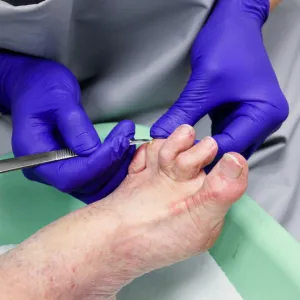
Fed Up With Painful Corns? Could Curacorn® Be the Solution?
Podiatry, Corns, Curacorn® Treatment
Fed Up With Painful Corns? Could Curacorn® Be the Solution?
Introduction
Living with a painful, recurring corn or pressure lesion can be exhausting. At Kenilworth Footcare, we understand how much these small areas of hard skin can affect your comfort, mobility, and enjoyment of everyday life. Curacorn® is one advanced treatment option we may recommend for the right patients, especially when traditional care hasn't provided lasting relief.
The Daily Impact of Persistent Corns and Pressure Lesions
Corns and pressure lesions are more than just a nuisance. Many people describe a sharp, burning, or aching pain every time they stand, walk, or put on certain shoes. Simple activities such as popping to the shops, walking the dog, or standing at work can become something you dread rather than enjoy. You may find yourself avoiding social occasions, changing your footwear constantly, or relying on plasters and padding to get through the day.
Emotionally, this can be draining. Patients often tell us they feel frustrated that the problem “keeps coming back”, even when they look after their feet carefully and attend regular appointments. If this sounds familiar, you are not alone, and it is understandable to want a more durable solution where appropriate.
Why Do Some Corns Keep Returning?
Traditional podiatry treatment for corns usually involves carefully reducing the hard skin and, where helpful, adding padding or advising on footwear. This often brings welcome short-term relief. However, if the underlying cause of excessive pressure remains, the corn is likely to form again over time. In other words, the symptom is treated, but the pressure remains.
Several factors can contribute to this ongoing pressure:
Changes in foot shape, such as hammer toes or bunions, that cause rubbing in specific spots.
Thinning of the natural fat pads under the ball or heel of the foot, often with age or high activity levels.
Footwear or sports that repeatedly stress the same small area of skin.
When the skin is continually exposed to this kind of pressure, it responds by becoming thicker and harder to protect itself. Over time, this build-up can press deeper into the tissues, forming a painful corn or lesion that seems to “come back” no matter how often it is treated at the surface.
How Pressure Causes Pain – and Why Cushioning Matters
Imagine walking on a small stone trapped inside your shoe. The pressure is concentrated in one spot, and every step presses that area against bone and joints beneath the skin. A stubborn corn or deep pressure lesion can feel much the same. Instead of a stone, it is your own hard skin being forced into sensitive tissues and nerves underneath. This is why even a tiny corn can feel disproportionately painful, especially on weight-bearing areas such as the ball of the foot or the tips of the toes.
Reducing this pressure and redistributing it more evenly is key to longer-term comfort. External padding and insoles can help, but in some cases there isn't enough natural cushioning left under the skin. This is where Curacorn® may be considered as part of a tailored treatment plan.
How Curacorn® Works: Cushioning from Within
Curacorn® is a specialised podiatric treatment that uses a sterile hyaluronic acid gel which is injected beneath the skin in areas of high pressure. Hyaluronic acid is a substance that occurs naturally in the body and is widely used in medical and cosmetic treatments because of its cushioning and hydrating properties.
During a Curacorn® procedure, Cassie, our trained podiatrist, injects a carefully measured amount of this high-viscosity gel under the affected area. The gel acts like an internal shock absorber, helping to:
Restore some of the lost cushioning under the skin.
Reduce direct pressure on the corn or lesion.
Support more even weight distribution with each step.
Clinics offering Curacorn® report that, for many patients, this internal cushioning can provide longer-lasting relief than surface treatments alone, with benefits often lasting several months and often significantly longer. However, responses vary, and results cannot be guaranteed for every individual.
Who Might Be Suitable for Curacorn® Treatment?
Curacorn® is not right for everyone, but it can be a useful option for people who:
Have painful, stubborn corns or pressure lesions that keep returning despite regular podiatry care.
Have thinning of the natural fat pads under the ball or heel of the foot, often associated with age or long-term activity.
Are active or sporty, and find that running, walking, or specific footwear repeatedly aggravates the same painful area.
Struggle to attend frequent appointments and are looking for a treatment that may offer longer intervals between visits.
Suitability also depends on your general health, circulation, sensation, and any underlying conditions such as diabetes. At Kenilworth Footcare, your podiatrist will always assess these factors carefully before recommending any advanced procedure. Book a no-obligation assessment HERE.
What to Expect from Assessment and Treatment at Kenilworth Footcare
Your journey begins with a thorough assessment. We take the time to listen to your concerns, understand how your foot pain affects your daily life, and review your medical history. A typical Curacorn® assessment includes:
A full foot examination, including skin, nails, joints, and posture.
Vascular and neurological checks to assess circulation and nerve function.
Identification of pressure points and contributing factors such as footwear, activity, or biomechanics.
If Curacorn® appears suitable, your podiatrist, Cassie, will explain the procedure in clear, everyday language, including potential benefits, limitations, and risks.
During treatment, local anaesthetic numbs the area, helping keep you comfortable while the hyaluronic acid gel is placed under the skin. The procedure itself is minimally invasive and usually takes around 30–60 minutes, including preparation and aftercare advice.
💡 Reassurance: Patients are able to walk out of the clinic after treatment, although you will be advised to keep pressure off the treated area for a short period and follow simple aftercare instructions. You will need to arrange transport home as the local anaesthetic used in your foot would invalidate your insurance.
Common Concerns: Pain, Safety, and When Other Treatments Have Failed
It is natural to feel anxious about any injection or new treatment. Curacorn® is carried out under local anaesthetic, so you should feel minimal discomfort during the procedure itself. Afterwards, some people notice mild swelling, bruising, or tenderness, which usually settles within a few days with sensible aftercare.
Another common question is whether Curacorn® can help when traditional treatments have not provided lasting relief. For some patients, particularly when loss of natural cushioning is a major factor, adding internal padding with hyaluronic acid can meaningfully improve comfort and reduce recurrence. However, as with all medical treatments, outcomes vary, and it is important not to promise a cure. Your podiatrist will discuss realistic expectations with you and may suggest combining Curacorn® with footwear advice, orthotics, or other measures to support the best possible result.
FAQs
What is Curacorn®?
Curacorn® is an advanced podiatry treatment that uses a sterile hyaluronic acid gel injected under the skin in a high-pressure area. The aim is to improve internal cushioning, so the painful pressure point is less irritated when you walk. Cassie will explain how it differs from standard corn treatment and whether it’s appropriate for your specific problem area.
How long does Curacorn® last?
Results vary from person to person. Many patients find the cushioning effect lasts several months, and sometimes longer, depending on factors like activity levels, footwear, foot shape, and how much natural padding is present. Cassie will talk you through what’s realistic for you and whether repeat treatment may help in the future.
Can Curacorn® cure my corn permanently?
Curacorn® can provide longer-lasting relief for the right patient, but it isn’t a guaranteed permanent cure. If the underlying pressure remains (for example, from toe shape, prominent joints, or certain footwear), the area may still be prone to recurrence over time. Cassie will discuss realistic expectations and may recommend combining Curacorn® with footwear advice, padding, or orthotics where appropriate.
Is Curacorn® painful?
Curacorn® is carried out using local anaesthetic, so you should not feel pain during the injection itself. After treatment, mild tenderness, bruising, or swelling is normal for a short time. Cassie will talk you through aftercare and how to keep the area comfortable while it settles.
Can I drive after Curacorn® treatment?
In most cases, you should not drive immediately afterwards. Local anaesthetic in the foot can affect sensation and control, and it may invalidate your insurance. Cassie will advise you to arrange transport home and will confirm the safest plan for you on the day.
What’s the difference between Curacorn® and regular corn removal?
Regular corn treatment focuses on carefully reducing the hard skin and easing surface discomfort. Curacorn® is different because it aims to improve cushioning underneath the skin, helping reduce the pressure that causes the corn to form in the first place. Cassie will assess what’s driving the pressure in your case and explain which option (or combination) is most likely to help.
Taking the Next Step Towards More Comfortable Feet
If you are living with a painful or recurring corn or pressure lesion, you do not have to simply “put up with it”. There are options available, and Curacorn® is one of the advanced treatments we may consider as part of a personalised care plan at Kenilworth Footcare. Our experienced podiatrists will always prioritise your safety, comfort, and long-term wellbeing, helping you make an informed decision that feels right for you.
To find out whether Curacorn® could suit you, contact Kenilworth Footcare to arrange an assessment. You can book an appointment online or call the clinic. A gentle conversation is often the first step towards walking more comfortably again.
Contact Kenilworth Footcare:
📞 01926 563555
📍 2 Oaks Precinct, Kenilworth CV8 1DP
With free parking and ground-floor access. We're here to help you get back to the activities you love, comfortably and confidently.